A Closer Look at THC Shatter: Potency, Process, and the Perfect Dab
What Makes THC Shatter Stand Out in the Concentrate World
Spend any time around cannabis concentrate enthusiasts and you will hear a steady hum of opinions on texture, flavor, and melt. Some swear by the sticky, gooey feel of live resin. Others chase the creamy consistency of budder. And then there is shatter. Few concentrates deliver the same visual clarity and straightforward handling as a well-made piece of shatter. Its glass-like brittleness at room temperature tells you something about how it was made and what you can expect when you heat it up. But the real draw is potency. A good batch of THC shatter can test well above 70 percent THC percentage, making it a favorite for anyone who wants a clean and strong experience with a single dab.
Understanding shatter means understanding the extraction process. Most shatter on the market is made through hydrocarbon extraction, typically using butane or propane as the solvent. The method pulls cannabinoids and terpenes from the plant material, then the solvent is purged under heat and vacuum. When done carefully, the resulting concentrate can form a translucent, solid slab that breaks into shards. That clarity is a signal of purity. If the purge is incomplete or the material is whipped or agitated during processing, the concentrate can turn waxy or opaque. That is still a concentrate, but it is not shatter. Real shatter stays stable at cool room temperature and shatters cleanly when you tap it. That physical property is not just for show. It makes handling easy and predictable, which matters when you are loading a dab rig.
I have handled my share of concentrates that looked promising but turned into a sticky mess the moment the jar warmed up. Shatter avoids that frustration. A small piece snaps off with almost no residue on your fingers. That precision matters when you are trying to dose a dab. With budder or some softer live resins, you can end up with more on your hands than in the banger. Shatter keeps things tidy. And because it is so concentrated, a single piece the size of a grain of rice can deliver a session that lasts several minutes.
The Role of Solvent and the Rise of Solventless
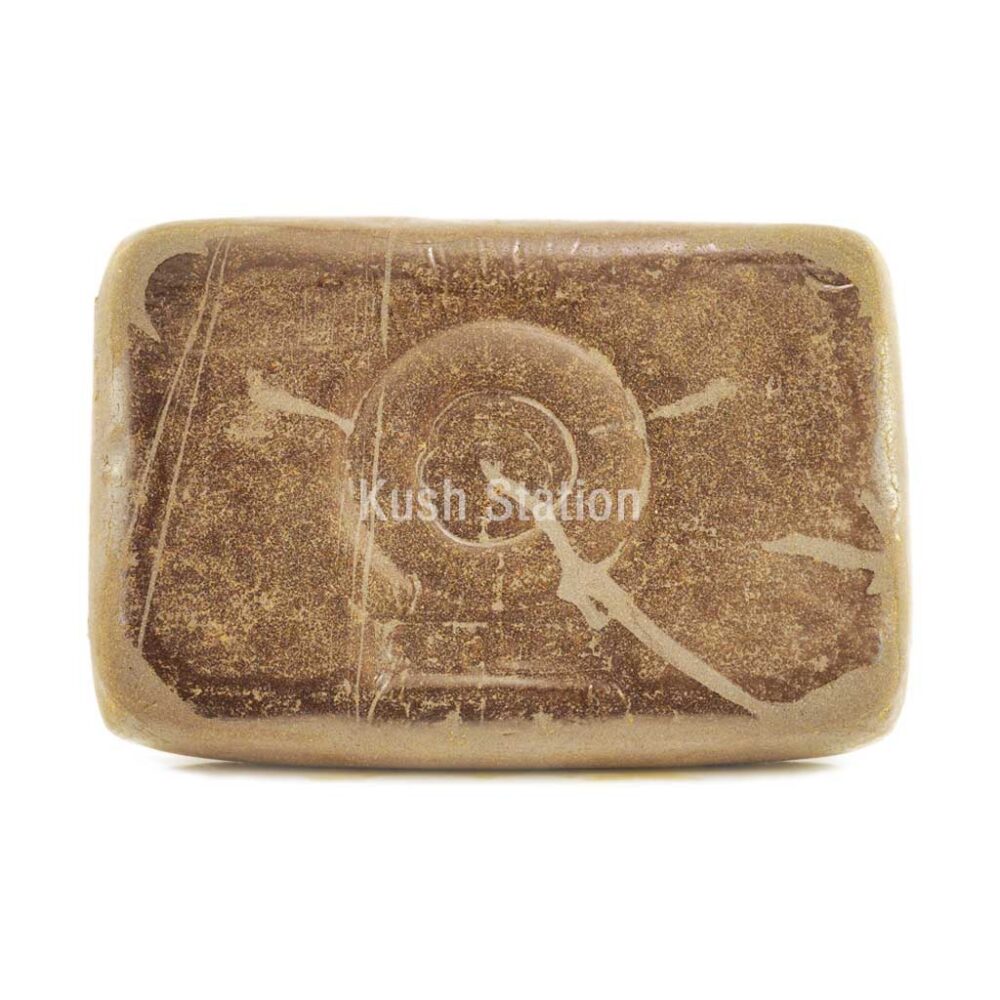
Hydrocarbon extraction is the traditional route for shatter, but it is not the only one. Solventless extraction, using only ice water and pressure, produces rosin and some forms of hash. That method retains a fuller spectrum of terpenes, which often translates to a more nuanced flavor profile. But solventless techniques usually yield a softer, more malleable concentrate. If you want that solid, shatter-like consistency, you almost always need BHO (butane hash oil) or a similar solvent-based process. The trade-off is speed and efficiency. Hydrocarbon extraction strips cannabinoids quickly, and a skilled operator can produce a high-potency product that still carries a lot of the original plant's character.
Some purists argue that any solvent residue is unacceptable, but modern vacuum ovens can reduce residual solvent levels well below regulatory limits. A well-purged shatter is safe to dab and often tastes cleaner than many people expect. I have tried both solventless and BHO-based concentrates side by side, and while the solventless product often had a more floral or fruity nose, the shatter hit harder and lasted longer. There is a place for both. If you are chasing the absolute highest THC percentage and a long, smooth vapor production, THC shatter is hard to beat.
Setting Up the Perfect Dab
Dabbing shatter is straightforward, but a few details can make the difference between a flavorful, efficient hit and a wasted piece. You need a dab rig, a quartz banger, and a heat source. I prefer a torch lighter for the control it gives, but an enail is a solid option if you want consistent temperature every time. Heat the banger until it glows faintly, then let it cool for about 45 to 60 seconds. Drop your shatter onto the inner surface and immediately cover it with a carb cap. That cap controls airflow and keeps the vapor inside the banger so you can inhale the full dose.
Temperature is the biggest variable. Too hot and you will vaporize the terpenes instantly, leaving a harsh, burnt taste that masks the concentrate's character. Too cool and the shatter will pool without fully vaporizing. A good rule of thumb is to aim for a drop temperature around 500 to 600 degrees Fahrenheit. That range preserves the flavor of the cannabinoids while still producing thick vapor. If you use an enail, set it to 540 and adjust from there based on your preference.
Comparing Shatter to Other Concentrates
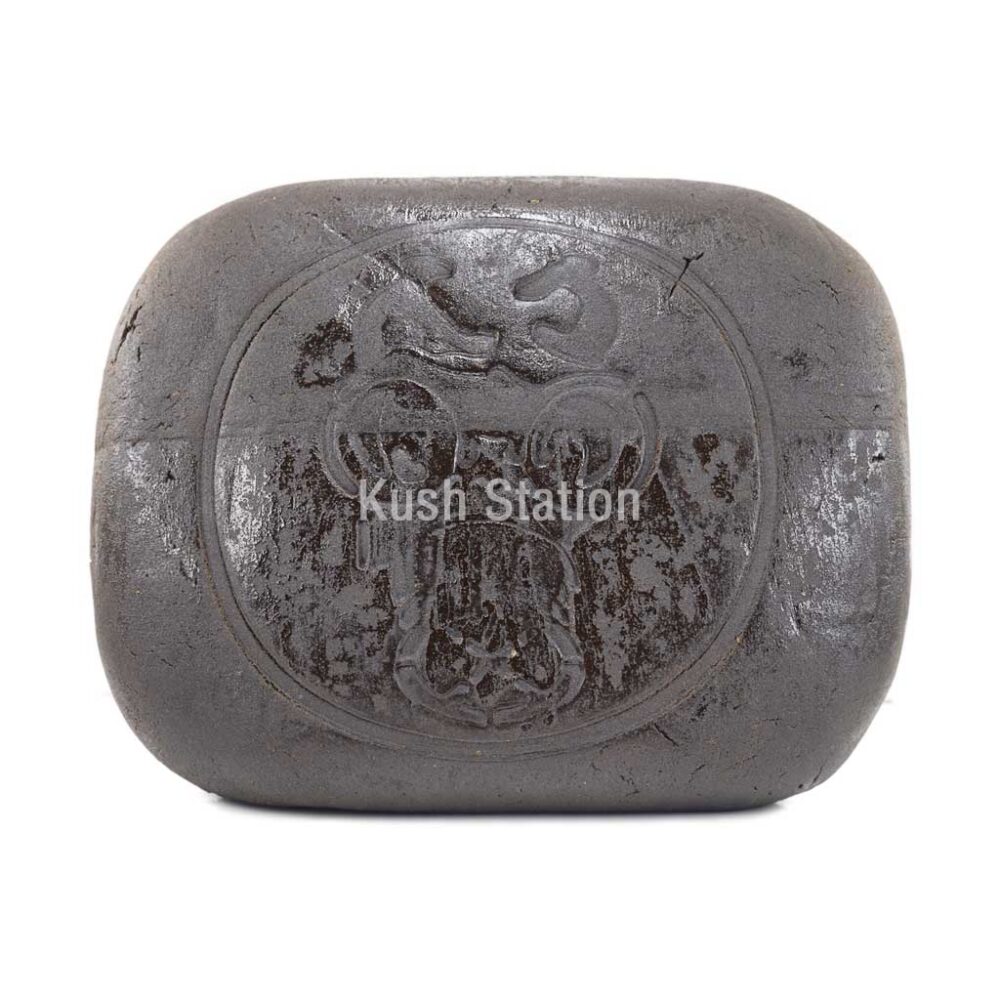
The concentrate market has expanded so much that new products appear regularly. Live resin, made from fresh-frozen plant material, has a reputation for exceptional flavor because it preserves delicate terpenes that degrade during drying. Budder is whipped during processing to create a soft, buttery texture that is easy to work with but can be messy. Hash, one of the oldest forms of concentrate, is made by separating trichomes through dry sifting or ice water. Each has its fans, and each suits a different moment. But when I want maximum potency and a clean, predictable dab, I reach for THC shatter.
Shatter also tends to hold up better over time. Because it is brittle and non-sticky, it does not degrade or change consistency as quickly as softer concentrates. Stored in a cool, dark place, a piece of shatter can stay stable for months. Live resin and budder can change texture or lose volatile terpenes faster, especially if the container is opened frequently. That shelf stability is a practical advantage for anyone who buys concentrate in larger quantities or does not use it every day.
What to Look for When Buying Shatter
Quality varies widely. The best shatter is translucent, ranging from pale amber to deep gold. If it looks cloudy or opaque, it may have been agitated during processing or may contain impurities. A clean break is a good sign. If the piece bends or stretches before snapping, it is not true shatter. Ask about the extraction method and the starting material. High-quality shatter starts with good flower, and the best producers are transparent about their sources. Potency should be listed as a THC percentage, and anything below 65 percent is probably not worth the price. Reputable shops like KushStation often include detailed product descriptions and lab results, which makes it easier for a connoisseur to compare options.
I also pay attention to the aroma. Shatter should smell distinctly of the strain it came from, with notes of pine, citrus, or earth depending on the genetics. A strong chemical or grassy smell can indicate poor purging or old material. The flavor on the exhale should match the scent. If it tastes flat or burnt, the shatter was either overheated during production or stored improperly.
Final Thoughts on Dabbing Shatter
Shatter is not the most exotic concentrate on the shelf, but it is one of the most reliable. It offers high potency, easy handling, and a clean dabbing experience that pairs well with any setup from a basic dab rig to a precision enail. Whether you are new to concentrates or a seasoned connoisseur, understanding what makes shatter different helps you make smarter choices. The next time you see a piece of THC shatter at your local dispensary or online at KushStation, you will know exactly what you are getting: a solvent-extracted concentrate built for power and consistency.